18+
Age limit · Adults 18+ only
This site is intended for people aged 18 and over. Please visit only if you meet the legal age requirement for viewing information connected with prize-style games in your country or region.

Informational guide • Canada

Steady, clear guidance on prize-style games for adults in Canada

VriedenVanVrone Sport describes, in plain language, how number-based prize games, ball draws and wheel-style formats are typically organised. The website does not run games, process entries or provide financial advice. All content is descriptive only.

View example prize formats
Information only • No promise of winnings
Number selection grids Sphere & ball draws Wheel-based outcomes Responsible play habits

Informational, not promotional

Every description on this site is written in a calm, factual tone. We avoid hype, promises, or wording that might suggest that prize games are an easy way to obtain money.

Advertising or referral offers Not featured
Investment, tax or financial advice Not offered
Emphasis on responsible participation Main focus

If you are unsure whether particular prize-style games are allowed in your province or territory, or what conditions apply, please contact the relevant local authority or regulator for accurate, up-to-date guidance.

Ways to use this guide

VriedenVanVrone Sport is meant to be a quiet, low-pressure reference point. It outlines how certain prize-style formats usually work and offers practical ideas for staying in control.

The site does not host entries or operate any kind of draw. It does not replace official rules, legal resources or professional financial guidance. Instead, it can help you:

  • Understand the basic structure of three common prize-style formats.
  • Recognise that results are governed by chance and cannot be reliably predicted.
  • Plan personal limits for any prize games you might consider.
  • Notice early signs that your participation may no longer feel balanced.

What this site does Summary

  • Describes prize-style formats in clear, everyday language.
  • Emphasises key ideas related to responsible participation.
  • Uses fictional examples purely for illustration.

What this site does not provide

  • Run or advertise real prize games.
  • Offer personalised financial, legal or tax guidance.
  • Guarantee winnings or recommend “systems” or strategies.

Example prize game formats explained in this guide

The three examples below are imaginary but reflect structures that may be used in real prize-style games. Always read the official rules of any actual game you consider, and make sure you follow local laws.

Number grid format

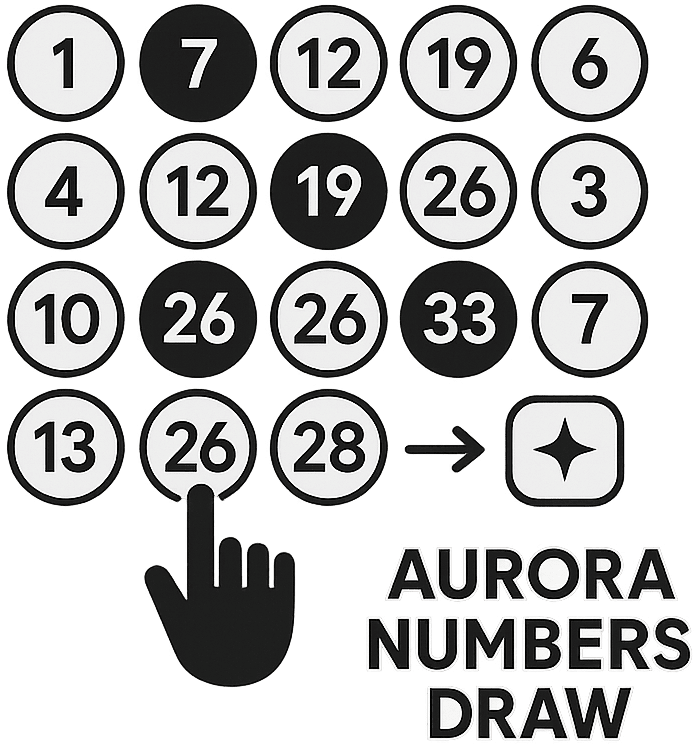
Aurora Numbers Draw

A fixed panel of numbers where participants choose combinations and later compare them with a randomly drawn set. The format is orderly and straightforward to follow.

Focus: choosing number combinations Outcome: depends on how many numbers match the draw

Typical rules

  • The number range could, for example, run from 1 to 40.
  • Each entry usually involves selecting a fixed count of different numbers, such as 5.
  • A random draw then reveals 5 winning numbers and sometimes an extra bonus number.
  • Prize levels are linked to how many chosen numbers match the drawn ones.

Illustrative play example

A participant chooses 7, 12, 19, 26 and 33. The random draw reveals 4, 12, 19, 28 and 33, plus a bonus number of 7. In this situation, three main numbers and the bonus number match. Any prize, and its size, would depend entirely on the official rules of the real game in question.

Practical guidance

  • Treat every combination as neutral; no sequence is “due” or inherently “lucky”.
  • Decide in advance how often you intend to participate and stick to that plan.
  • Keep a simple log of entries so you remain aware of your activity over time.
  • Stop immediately if you feel pressure to chase particular results or past outcomes.
Sphere draw format

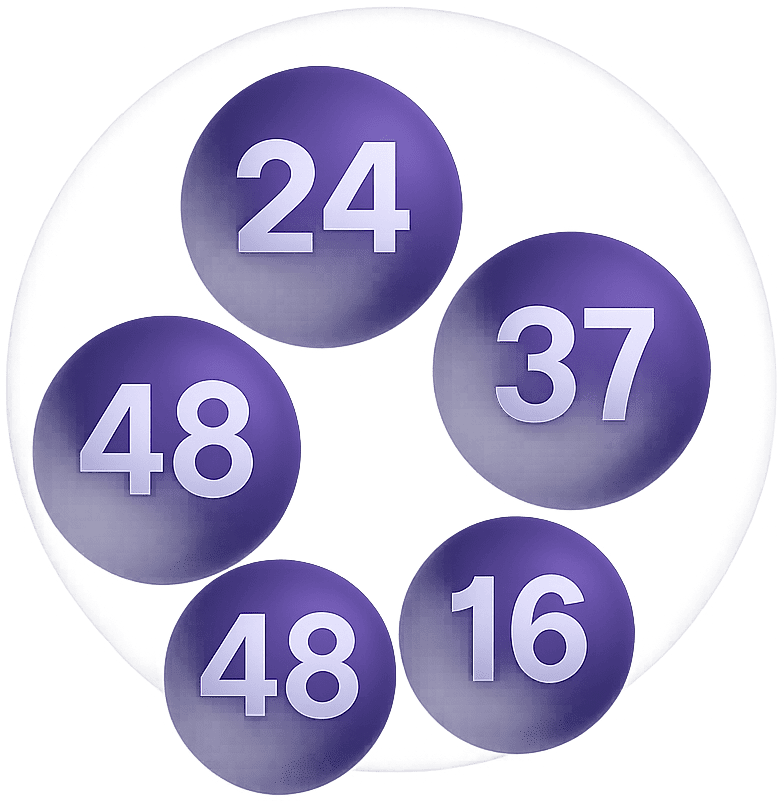
Northern Sphere Line

Numbered spheres are mixed in a transparent chamber and drawn at random. The order in which they appear determines whether entries qualify for different prize levels.

Focus: physical or digital numbered spheres Outcome: visible random draw sequence

Typical rules

  • A set of numbered spheres is used, for example from 1 to 60.
  • The spheres are mixed using air, mechanical rotation or a digital randomisation system.
  • A fixed number of spheres are then drawn in sequence.
  • Prizes are associated with specific match patterns.

Illustrative play example

Before the draw, a participant marks 6 numbers: 3, 11, 24, 39, 42 and 57. The transparent chamber then produces 6 spheres in a row. Any overlaps between the chosen numbers and the drawn spheres may correspond to prize tiers, depending entirely on the game’s official structure.

Practical guidance

  • Check that the draw process is clearly explained and applied consistently.
  • Look for transparent information about prize tiers, odds and limits.
  • Set a firm overall budget before considering any entries and do not exceed it.
  • Pause or step away if watching draws starts to feel stressful rather than light.
Prize wheel format

Prairie Prize Wheel

A segmented wheel is spun once per play. Each segment represents a predefined outcome, which can include several prize levels as well as non-winning positions.

Focus: visual prize segments Outcome: chosen by where the wheel stops

Typical rules

  • The wheel is divided into clear, labelled segments.
  • Segments may include modest prizes, higher-value prizes and “no prize” positions.
  • Each spin uses the same configuration of segments.
  • Higher-value segments are usually less frequent than others.

Illustrative play example

A wheel contains 32 segments: 20 showing “no prize”, 10 showing smaller prizes and 2 showing higher-value prizes. A participant chooses to spin once. The result is decided when the wheel slows and the pointer rests on one segment. The chance of landing on a higher-value prize is relatively low compared with other outcomes.

Practical guidance

  • Review how many segments are “no prize” compared with prize segments before you play.
  • Focus on the experience itself, rather than expecting a specific prize.
  • Limit the number of spins you allow yourself within any given session.
  • Walk away if you feel tempted to try to “win back” previous results.

Keeping a calm approach to prize games

If you choose to explore prize-style games, following a structured approach can help keep them in perspective and maintain a sense of control.

The steps on the right are not rules, but practical suggestions that many people find helpful when engaging with chance-based entertainment.

1

Read the rules carefully

Take time to read how entries, prize tiers and limits work. Avoid relying on assumptions or what other people say about the format.

2

Set clear limits

Decide how often and how much you are prepared to spend overall. Treat these limits as fixed rather than flexible.

3

Monitor your activity

Make simple notes of when you participate and the amounts involved. Seeing this in front of you can support clear decision-making.

4

Check in with how you feel

Notice whether prize games feel light and optional, or tense and urgent. Adjust or pause participation whenever needed.

Common questions

The answers below provide general information only and should not replace official sources, legal advice or guidance from qualified professionals.

No. VriedenVanVrone Sport is an informational resource only. It does not run draws, accept entries, process payments or handle prizes of any kind. If you choose to participate in a real game, you must follow the rules and conditions set by that game’s own operator.

No. Nothing on this website should be viewed as financial, tax or investment advice. Prize games are based on chance and cannot be relied on as a way to generate income or solve financial difficulties. For advice about your own situation, speak with a qualified professional.

The guide is designed for adults in Canada who are legally permitted to access information about prize games in their province or territory. Age limits, rules and availability can differ between regions. If you are unsure whether specific prize games are allowed where you live, please contact the relevant local authority or regulator.

No strategy can change the underlying randomness of a properly run prize game. While you can choose numbers or segments, this does not affect the basic probabilities. Be cautious of any claims that suggest guaranteed, highly predictable or “risk-free” results.

If you feel pressure to keep playing, find it hard to stop, or notice that prize games are affecting your finances, mood or relationships, it may be helpful to pause immediately and seek support. Provincial and territorial services, health professionals and community organisations can offer confidential guidance.

Key reminders

  • Prize games are optional entertainment, not a reliable source of income.
  • There are no guaranteed methods to secure winnings.
  • Only spend amounts that you can comfortably afford to lose.
  • Take regular breaks and reflect on how you feel about your participation.

This website cannot monitor your activity or make decisions for you. If you are unsure about legal, financial or health matters, seek advice from trusted, qualified sources.

Responsible participation & support

Prize games should remain in the background of life, not become a central focus. Responsible participation is about staying within your own limits and paying attention to possible warning signs.

Core principles

  • Prioritise essential expenses and commitments before any prize games.
  • Use only discretionary funds that you can comfortably afford to spend.
  • Balance prize games with other interests, relationships and responsibilities.
  • Accept that outcomes are uncertain and may not result in any prize.

Possible warning signs

  • Thinking about prize games frequently throughout the day.
  • Spending more money or time than you originally planned.
  • Hiding your participation from friends or family members.
  • Relying on games to change or stabilise your financial situation.

If you are concerned

The questions below are for personal reflection only. They are not a diagnostic tool, but they can help you decide whether it might be useful to speak with someone.

  • Do I feel uneasy or restless when I try to take a break from prize games?
  • Have I used money that was intended for other purposes?
  • Have people close to me expressed concern about my participation?
  • Do prize games affect my sleep, mood or concentration?

If several of these points feel familiar, consider contacting support services in your province or territory, such as helplines, counselling services or community organisations.

In an emergency, or if you feel at immediate risk, contact local emergency services or a crisis line in your area. This website cannot provide urgent assistance.

Keep your information and limits easy to revisit

You can create an information-only account to bookmark sections, save notes and gently remind yourself to review responsible participation principles over time.